-(2).svg)
.svg)
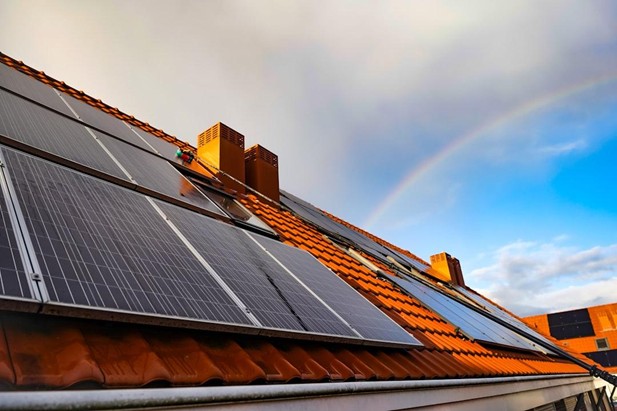
Having solar panels installed on your home is a great way to generate renewable energy and support the planet. And that's without mentioning the impact it can have on your electricity costs. In this guide, the technical experts at NICEIC take you through everything you need to know about installing solar panels. Read on to learn about the different types of solar panels, whether they're worth it for your home, and why you should use an NICEIC- registered electrician for the job.
How do solar panels work?
Solar panels convert the sun’s energy into electricity via the photovoltaic (PV) effect. They are made up of small, semiconductive cells which are gridded together to form a larger panel and encased in glass or plastic to protect them from the elements.
When sunlight hits the panels, it is absorbed by special materials (usually silicon) inside the panels. This process knocks loose tiny particles called electrons, creating an electric current that can then be used to power your home.
Solar panels are often installed together with a solar diverter or battery storage system. A diverter allows you to direct unused electricity to another appliance (usually a hot water cylinder). A battery storage system allows you to store extra electricity until it’s needed (for example, at night or during overcast or rainy weather).
What are the main types of solar panels?
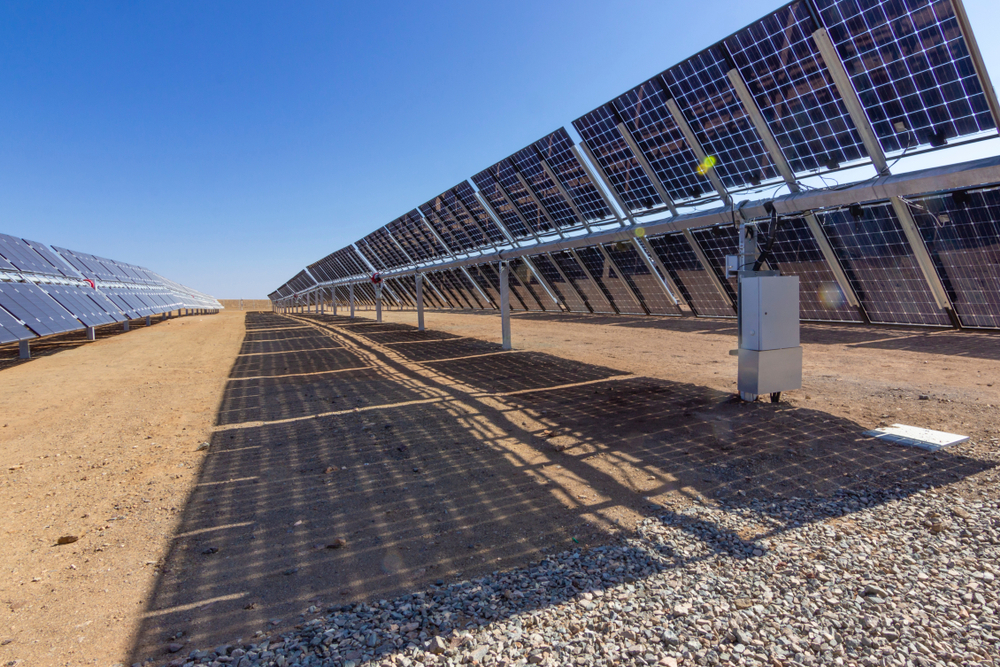
Solar panels vary in terms of their energy efficiency and installation costs, making some options better suited for certain situations than others. You can also choose between having solar panels installed on your roof (by far the most common option for domestic installations) or ground mounted solar panels, which can be a great option for properties with limited roof space or which are otherwise unsuited for solar panel installation.
A registered electrician who is certified to undertake this kind of work will be able to advise you on the best type of solar panel for your needs and budget, but here are a few of the most common types to look out for.
Monocrystalline solar panels - monocrystalline solar panels are the most efficient panels currently available for domestic properties – which means they can also have higher upfront installation costs. Their increased efficiency comes from the single-crystal silicon which makes up the photovoltaic cells, which is capable of converting more sunlight into electricity than alternative types.
While they are more expensive per square metre, their greater efficiency means you’ll likely need fewer panels to meet your home’s electricity needs. And, if you’re concerned about aesthetics, the uniform black look of monocrystalline panels is likely to appeal to your taste.
Polycrystalline solar panels - polycrystalline panels are made by melting small silicon crystals together rather than using a single, larger fragment of silicon (as with their monocrystalline counterparts). This manufacturing method results in lower energy efficiency and a shorter lifespan; due to this, polycrystalline panels have largely fallen out of favour. You’ll recognise them by their distinctive blue tint.
Thin film solar panels - thin film solar panels are made by placing several thin layers of photovoltaic material (common materials include amorphous silicon, cadmium telluride, and copper indium gallium selenide) on top of each other.
Thin film solar panels are less efficient than monocrystalline or polycrystalline panels, but they are also flexible, giving them a much wider range of uses. For example, they can be installed on unconventional and curved surfaces unsuitable for more traditional solar panels, and are great for portable applications, such as camper vans, boats, and temporary installations where flexibility and lightweight design are important.
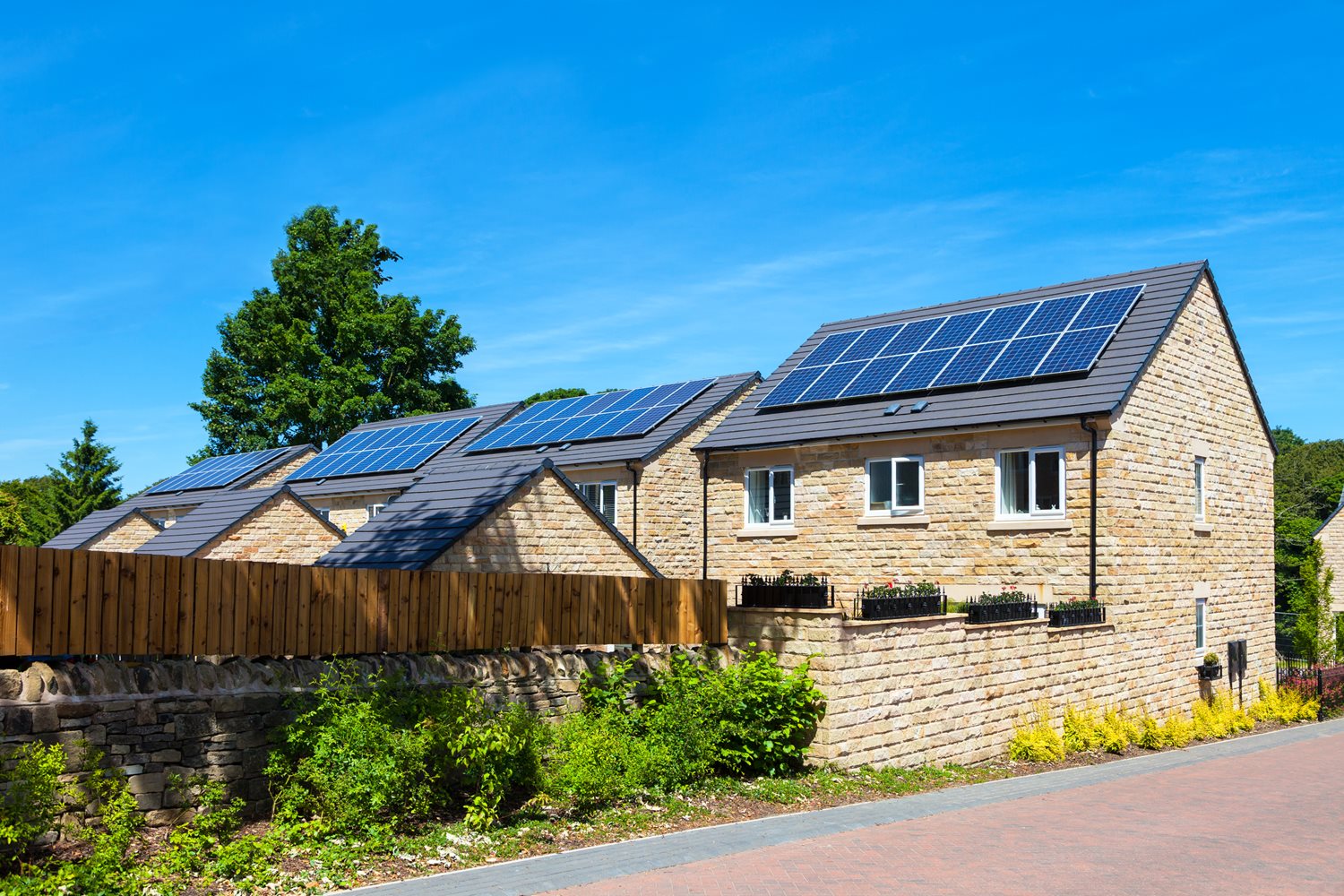
What are the benefits of getting solar panels for your home?
Installing solar panels on your property offers a range of advantages, both environmental and financial.
Environmental benefits - solar panels allow you to generate clean, renewable electricity for use in your home, reducing your reliance on fossil fuels and lowering your household's carbon footprint. This not only helps combat climate change, but also contributes to improved air quality, as solar panels don’t release pollutants that cause acid rain or smog. Using solar panels also contributes to habitat protection and biodiversity conservation, as they can be built on existing structures instead of requiring new land.
Financial benefits - solar panels can lead to significant savings on your energy bills over time. By producing your own electricity, you become less dependent on energy suppliers and are better protected from rising electricity costs. In some cases, you may even be able to sell excess energy back to the grid through the Smart Export Guarantee (SEG), generating additional income.
Furthermore, installing solar panels can also increase the value of your home and make it more attractive to environmentally conscious buyers. Research from the Urban Big Data Centre suggests that solar panel installation can increase your home’s value by around 6-7%. This equates, the research concludes, to an average price premium of between £14,062 and £16,368.
Are solar panels suitable for my home?
Whether or not it makes sense to have solar panels installed on your particular property will depend on a wide range of factors, including:
Location – where you are based in the UK will have an impact on how much solar power you can generate. Homeowners living in the Scottish Highlands will inevitably generate less electricity than a resident on the south coast of England.
Roof orientation – a south-facing roof will help you generate more power than those facing in other directions (although east and west orientations can also work well).
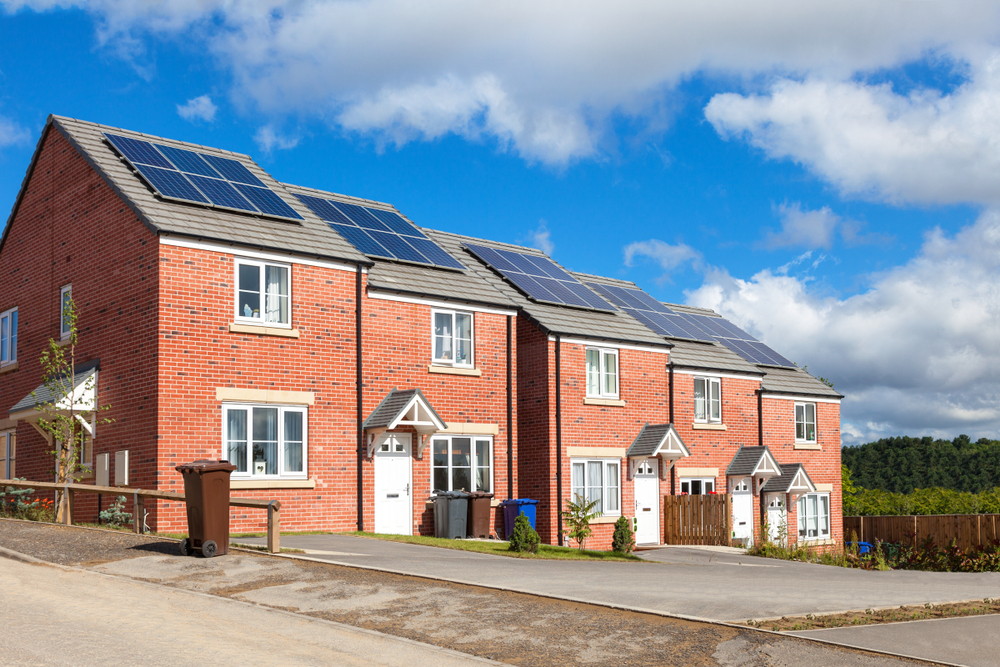
Roof slope – a roof sloped at an angle of around 30-40 degrees is ideal for solar panels, as it will help capture the most possible sunlight year-round.
Roof material and condition – roofs kept in good condition and made of sturdy materials such as tile or slate are vital to safely support your solar panel system.
Available roof area – you need to have enough roof space to support the appropriate number of panels for your energy needs.
Shade – if your home is overlooked (for example, by a tree or a taller property) that casts shade on your roof, this can lower your solar panels’ ability to generate sufficient electricity for your property.
Listed building status – although you are allowed to install solar panels on a listed building, you do have to get special permission and minimise damage to the building’s character and appearance.
If your property doesn’t precisely meet all the criteria for solar panels, don’t worry! We’ve laid out the optimal conditions for solar panel installation, but there are still options for properties that fall outside these parameters. For example, you can maximise the efficiency of a smaller roof by investing in monocrystalline panels, opt for a thin film system if your roof is curved or otherwise unconventionally shaped, or go for a ground-mounted setup if you have more land but a smaller roof.
A registered electrician who is competent to install solar panels will be able to advise you on the suitability of solar panels for your particular property.
How much does it cost to get solar panels in the UK?
It’s really difficult to say exactly how much it will cost to install solar panels on your property – there are too many different variables to consider.
While according to the Energy Saving Trust a domestic solar panel system will set you back an average of £6,100, the actual sum will depend on:
- your energy needs
- the size of your system
- the type of panels you choose
- your installer’s fees
- whether you also need to upgrade your roof
- whether you’re also having a battery storage system installed.
Are solar panels worth it?
As we’ve mentioned above, the cost of installing solar panels often runs into the thousands. But is the payoff actually worth it?
Again, there’s no way of putting a number on how much you personally stand to save by installing solar panels, or how long it will take you to offset the installation costs. What we can do, however, is to provide a better understanding of the factors that contribute to increased savings and help you make an informed decision.
Where you’re located - as we mentioned earlier, where you’re located and the amount of sunlight you get will impact the efficiency of your solar panels and therefore how much you can save.
For example, according to calculations from the Energy Saving Trust, a four-bed London home will save between £530 and £650 a year. A similar size property in Stirling will only save £430 to £540 a year due to the comparative lack of sunlight. This means a Londoner could offset the cost of installation within 10-12 years, whereas it could take a Stirling householder 12-15 years. Of course, these figures are estimates and the habits and behaviours of individual householders will impact the actual cost and duration.
Whether you use solar panels in conjunction with other low carbon technologies - having solar panels installed together with other energy-saving measures – such as solar diverters and battery storage systems – can significantly boost your annual savings. While these devices can increase your energy independence and boost your savings, however, it’s important to remember that you’ll also pay more up front for the initial installation.
According to calculations from Octopus Energy, a medium-use household with a 10-panel solar system will save £682 on their energy bills each year. Meanwhile, the same household with a 10-panel system and a 5kWh battery will save between £822 and £1,069 per year, depending on their tariff. However, the up-front cost of installing battery can be up to £2,544 more.
Whether you sell surplus electricity back to the grid - if you’re eligible, you can sell surplus electricity back to the grid via the SEG. You’ll be eligible for a SEG tariff if:
- you have a working smart meter
- your solar panel system has been installed by an MCS-certified installer.
MCS (the Microgeneration Certification Scheme) certifies businesses for the installation of low-carbon technologies. Businesses that sign up to the MCS scheme must have the right skills, experience and qualifications in the technologies they're certified to install.
According to Money Saving Expert, the highest SEG rates are available for consumers who are with the same firm for solar export, energy supply, and have a solar battery. Even if you don’t meet all three of the above criteria, however, good rates can still be available (although they vary significantly between energy providers) so it’s worth shopping around to find the best tariff for your circumstances.
Your work schedule - the times you’re at home and using the energy you generate will also impact your savings. If you work from home, you’ll maximise your savings on your energy bills by using the electricity you generate during daylight hours. This is especially true if you have solar panels without a solar battery.
If you’re out at work all day, on the other hand, it probably makes sense to sign up to the SEG, so you can get some money back by selling excess electricity back to the grid.
Out of these two approaches, using your energy while it’s being generated is the winning strategy, as you’ll likely save more on your energy bills by using it in real time than you’ll get paid by selling it back to the grid.
So, what’s the verdict?
As you can see from the numbers in these examples, annual savings estimates vary wildly depending on the source and how the company has performed their calculations. Hopefully, this section will give you a broad idea of what you might save by investing in solar panels, but be advised that the amount you actually save will greatly depend on all the factors we’ve spoken about.
What we can say with some certainty, however, is that solar panels are a long-term investment which can take a decade or longer to pay off. They are more likely to be worth the investment if:
- you live in a sunnier area
- you intend to stay in your home long-term
- you can afford the upfront installation cost
- you’re motivated by environmental as well as financial benefits
- you’re at home a lot (and therefore using most of the energy you generate)
- your home is suitable for solar panel installation.
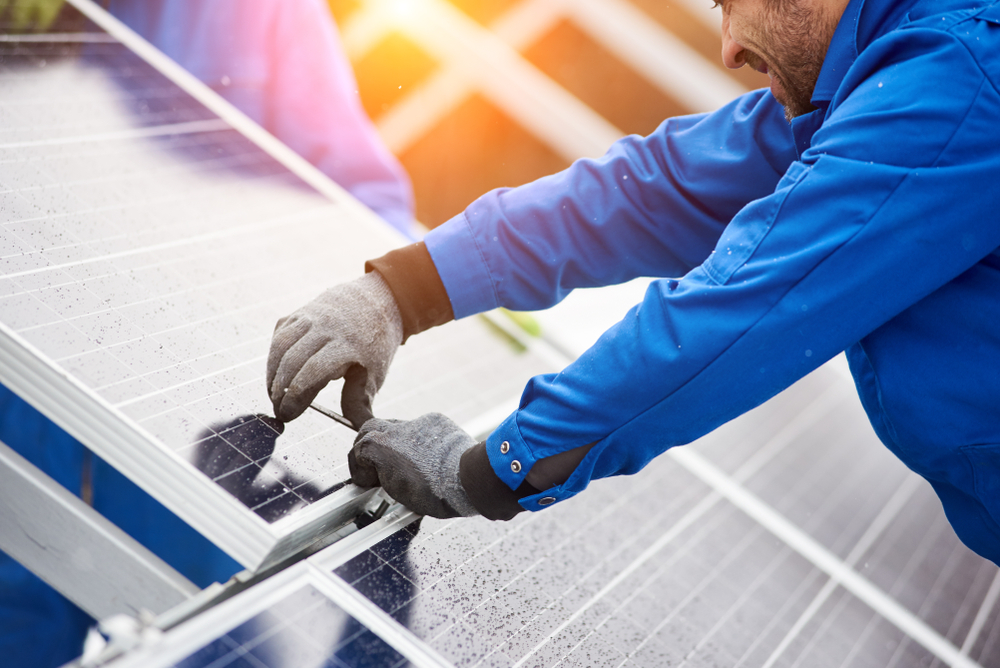
Do you need a professional to install solar panels?
Absolutely. Solar panel installation is a specialist job that requires a professional to complete safely and to a high standard. BS 7671, the British Standard for electrical installations, sets out requirements that solar panel installations must meet to be considered safe and compliant. Additionally, there are also some criteria to meet from a building regulations perspective.
We would highly recommend that you use an NICEIC-registered electrician who’s certified for the installation of solar panels. This will ensure your installation is carried out by a professional with the right skills, qualifications, and experience to get the job done right and in line with all the relevant regulations and standards. If you’re looking to sell unused electricity back to the grid via the SEG, some providers will require you to use a business certified on the MCS Approved Contractor Scheme, so make sure you take a look at your chosen provider’s requirements before selecting an electrician.
Find a trusted tradesperson
You can find an MCS-registered electrician near you using the NICEIC Find a Trusted Tradesperson tool.
If you find the underside of your solar panels are playing host to pigeons or other nesting birds (and the mess that comes with it) you might also choose to invest in a bird-proofing system. This typically consists of wire mesh or barriers that are installed around the gap between your solar panel system and your roof, preventing birds from taking shelter underneath.
We'd also recommend getting a registered electrician to undertake an EICR (Electrical Installation Condition Report) on a regular basis, which will check your solar panels are in good working order, along with all your home's other wiring and electrical installations. According to Electrical Safety First, homeowners should get an EICR for their home every 10 years to check their electrics are still in good condition and that there aren’t any faults with the potential to impact performance or safety.
- the size of your system
- any complexities with roof access
- whether you’re also having additional technologies installed, such as a battery storage system
- the condition and suitability of your roof
- your chosen installer
- weather conditions.
It’s worth noting that while the actual installation of your solar panels can be completed in a matter of days, the full process – from initial quote and site survey to removing the scaffolding from your property – can take several weeks or even months.
- Energy Company Obligation (ECO4) (ends March 2026): this scheme helps cover the costs of solar panels and other energy efficiency improvements for families receiving income-related benefits. The eligibility criteria are quite strict, meaning only those on the lowest incomes can benefit.
- LA Flex (Local Authority Eligibility Flexibility) scheme: if you are not receiving income-related benefits but would still struggle to afford the cost of installing solar panels, you may be eligible for the LA Flex scheme. This gives individual local authorities the power to refer households for the ECO4 scheme even if they don't meet all the requirements.
- Warm Homes: Local Grant: this is a newer scheme available for householders in England only. It offers funding to cover the costs of solar panels and other energy-saving measures such as insulation and heat pumps. To be eligible, you must be living in a privately owned home (either your own or renting from a landlord), have an Energy Performance Certificate of D or lower, and have a household income of £36,000 or less.
- Warm Homes Plan: published in January 2026, the new Warm Homes Plan earmarks £15 billion of funding for low carbon home improvements. Low-income households could receive fully funded solar panel and battery storage installations up to the average value of £9,000-£12,000. A government-backed zero- and low-interest loan scheme was also introduced for all homeowners to get solar panels onto the nation’s rooftops. And new rules mean all new-build homes will come equipped with solar panels by default in the future.