-(2).svg)
.svg)
Raising electrical standards since 1956
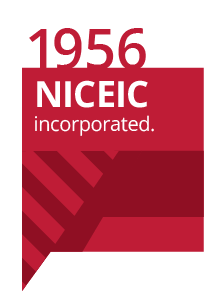
For 70 years, NICEIC has had a clear mission: helping to ensure high-quality electrical installations that keep people safe. In that time, our industry has been transformed but certification remains the anchor keeping technical skill and a commitment to safety at the heart of the trade.
Seven decades of change
Look back over NICEIC's history and you'll see an industry transformed. New technologies, smart homes, and renewable energy have reshaped how we live, work, and travel. But when it comes to electrical installations, some things never change: strong technical skills and a commitment to safety remain as vital as ever.
The unprecedented and often unpredictable nature of technological and societal change over the past 70 years has made the role of certification even more vital, providing stability and trust in an industry where innovation has been ever present.
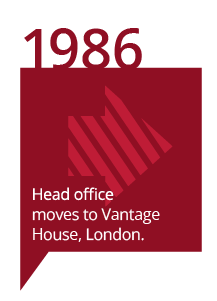
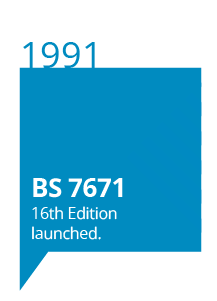
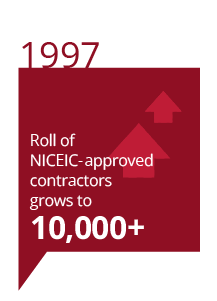
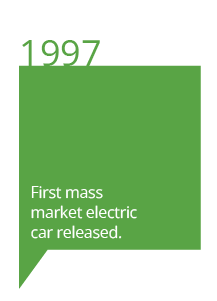
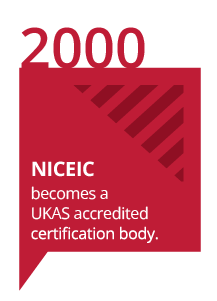
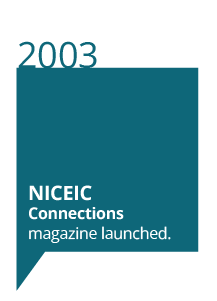
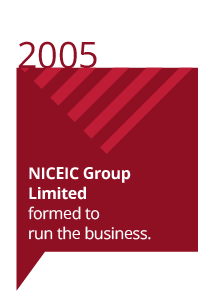
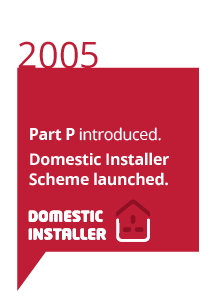
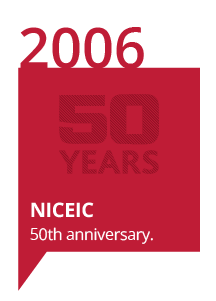
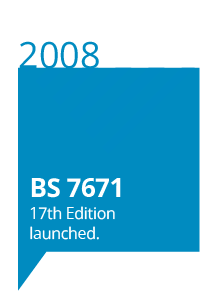
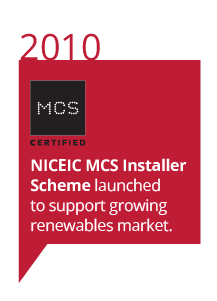
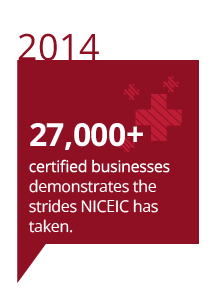
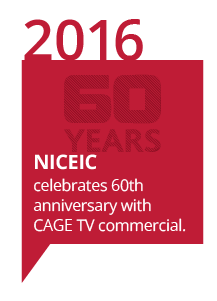
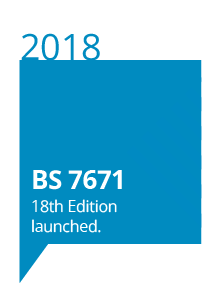
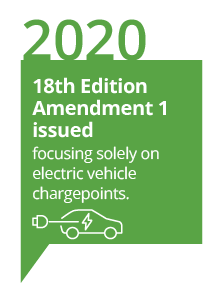
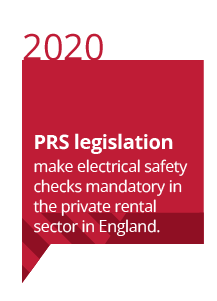
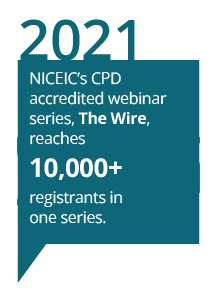
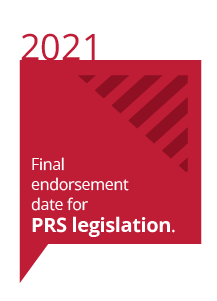
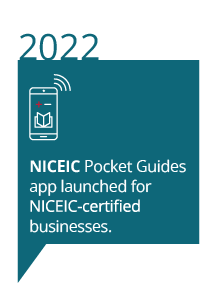


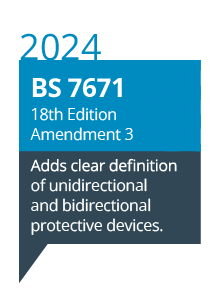
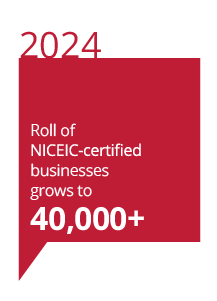

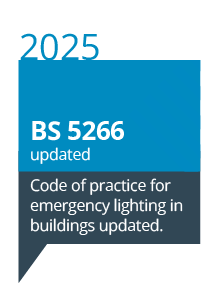
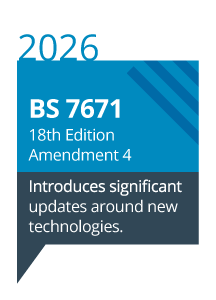
The people behind the progress
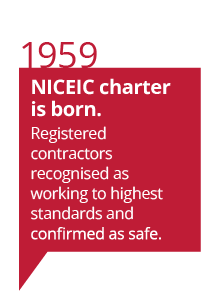
The demands on electrical contractors have grown enormously. Customers expect more, safety standards keep evolving, and new regulations redefine how contractors work. And none of this happens overnight; it takes hours of training, hands-on experience, and a commitment to getting things right. From the introduction of Part P in 2005 to recent rules tightening electrical safety in rented homes, progress doesn’t happen with the click of a finger or the signing of a law. It’s built on continuous learning and development, something NICEIC has championed for seven decades.
“We’re fortunate to hold a unique position in this industry,” says Collins. “Every day, we meet businesses doing remarkable work, building respected companies and nurturing new talent.”
“Sometimes the incredible work happening in this industry goes unnoticed. Let’s not forget how important electrical contractors are. For us, reaching 70 years is a milestone but what really matters is everything that’s been achieved along the way: businesses built, apprentices trained, renewable energy projects delivered, and homes made safer. Certified businesses have led the way on all of that, and this anniversary is our chance to thank them and recognise their contribution.”
A mark of reassurance
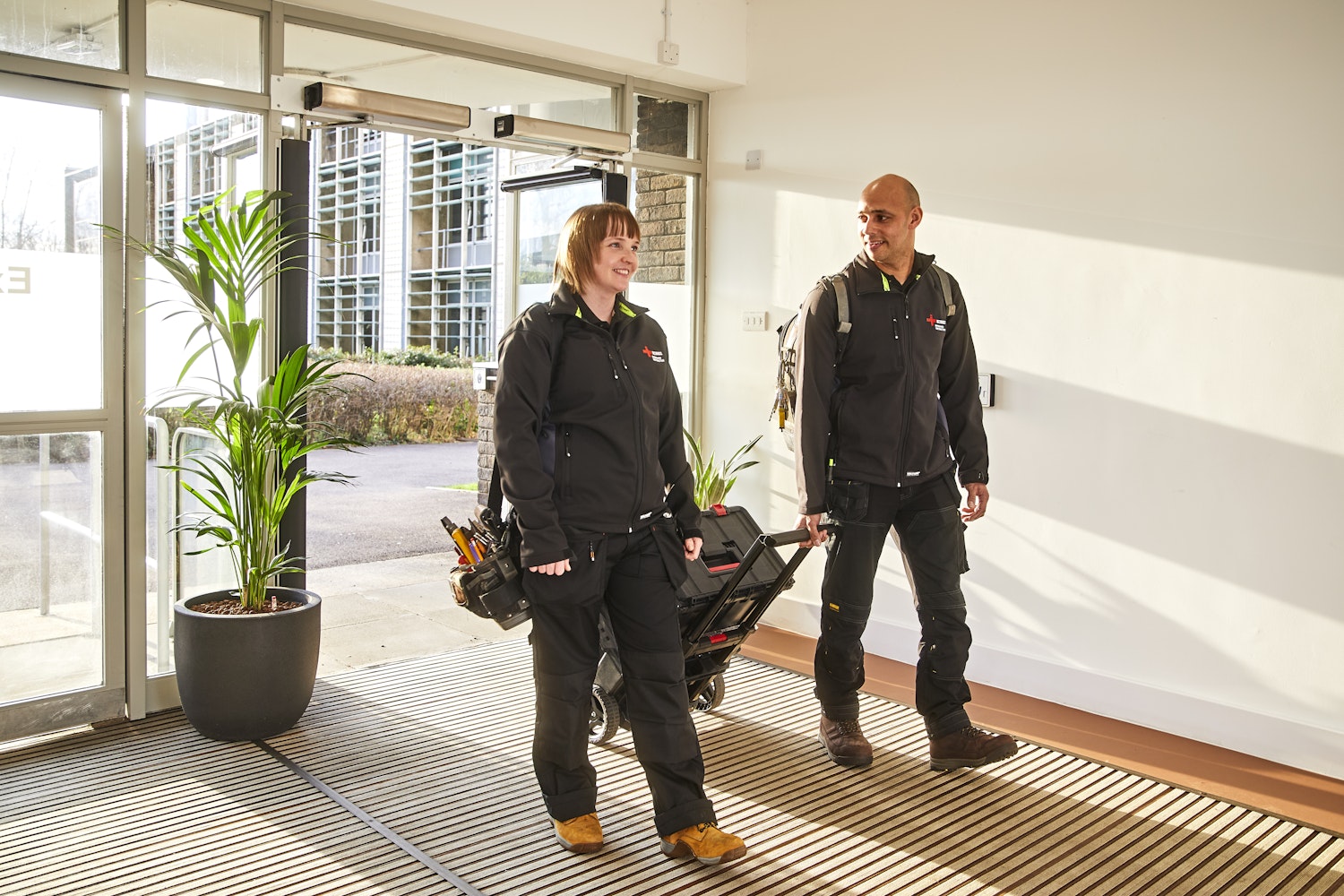
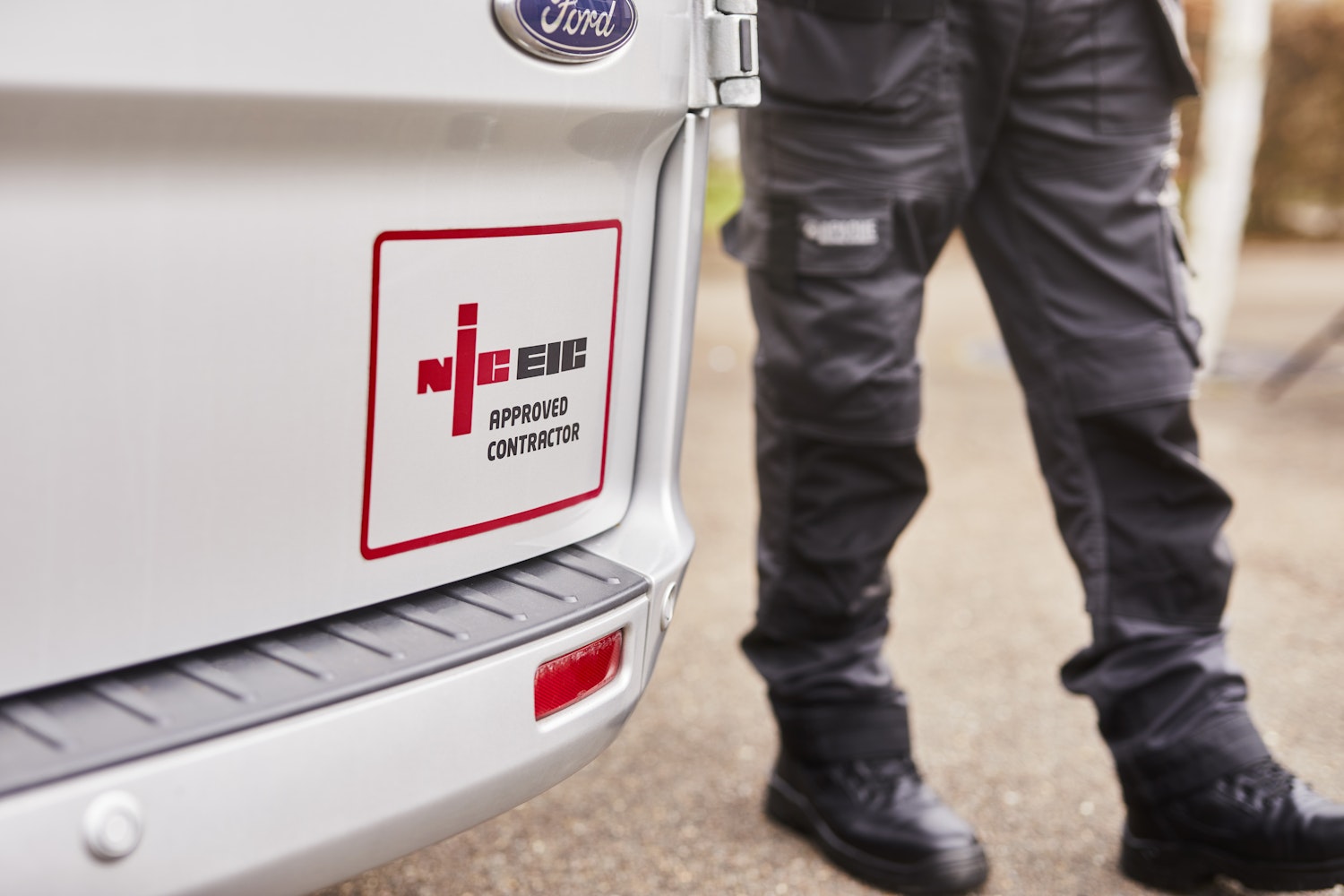
From the 1950s, when post-war household coal rationing was still in effect, to today’s era of smart homes and low carbon technologies, the NICEIC badge has been a constant. It has provided a benchmark for safety and technical integrity in an evolving world. Businesses proudly display their certification on their vans and workwear because they know what it represents: rigorous checks, high standards, and trust.
Cameron Lister, Director at Edmiston Brown, an electrical contracting business certified by NICEIC since 1957, says “We’ve seen huge changes in the world and on the job, with new tech, regulations, and ways of working. Through all of that, our core values have stayed the same: doing great work and maintaining high standards. Certification has always been part of that. It’s a mark of quality and professionalism that our customers recognise. If anything, it has become more valuable over time as we’ve moved from communities having access to just one or two local sparks, to the endless choice presented by online reviews and social media.”
“No matter what the future brings, your name and your reputation is what the business lives or dies by,” Cameron continues. The fact people associate us with quality work is what’s helped us survive and thrive over so many years.”
Martin Pearce, at Martin Pearce Ltd agrees “NICEIC, in my opinion, is the most recognisable certification organisation for the electrical industry in the UK. When meeting potential new customers, I always make a point of explaining the importance and benefits of being an NICEIC-approved contractor.
That trust is invaluable in an industry where reputations are hard-won – and easily lost.
Looking ahead: the next 70 years
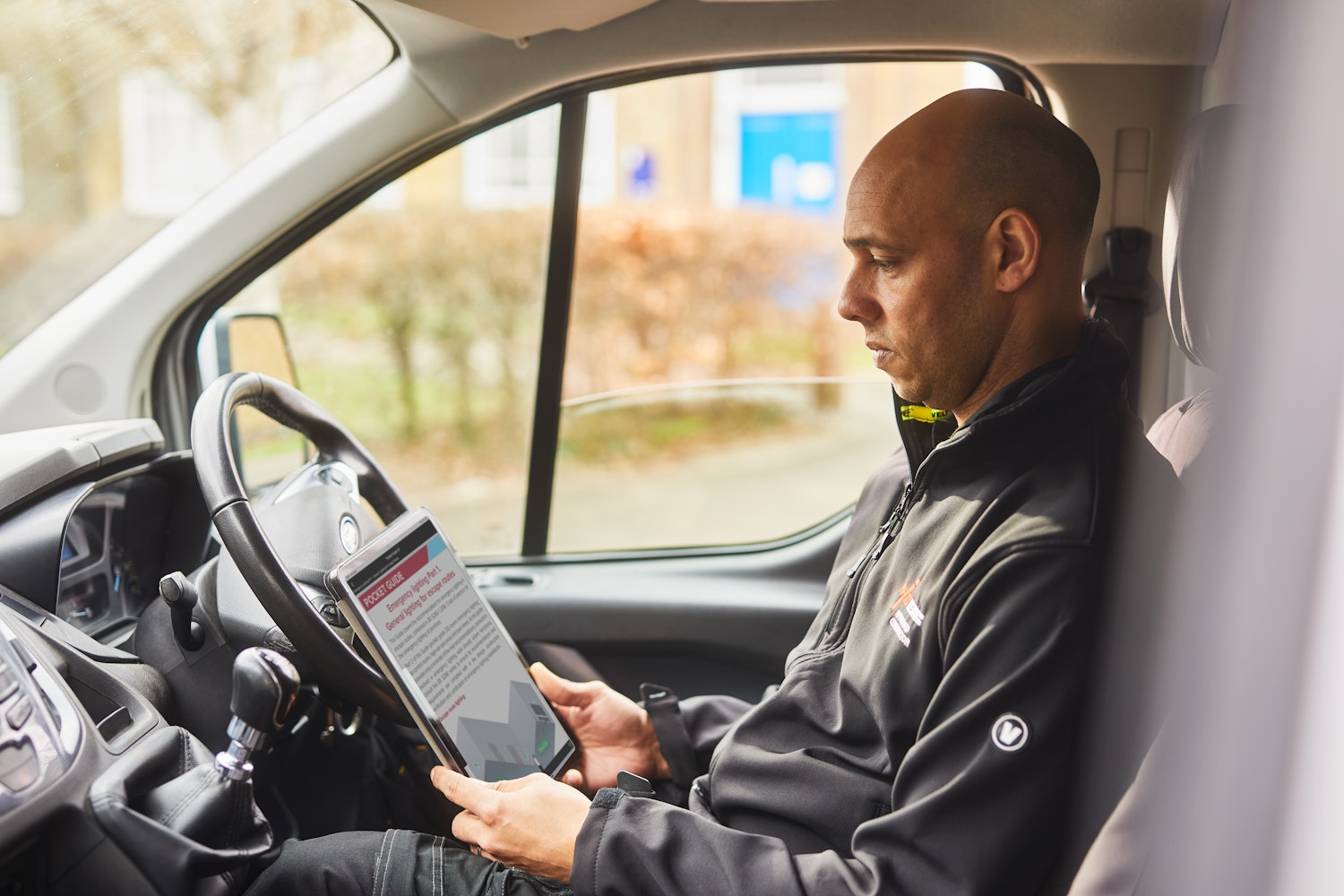
We are proud of our history, but the future is our focus. Advances in electrification, smart technologies, and sustainability are accelerating the rate of change, while new safety requirements are reshaping our industry. Collins sees a future where technology and standards go hand in hand: “Even with the technology that we have today, we can see how buildings could be capable of generating their own power, storing it, and using it in the most efficient way possible. We’re just starting to tap into this potential now with solar PV and energy storage systems. Electricians will be at the heart of the net-zero transition, their expertise will turn ambitious sustainability targets into practical, safe solutions for homes and businesses.”
In time, houses will be increasingly self-sufficient. AI will be the ‘brains’ driving many of these changes. It will understand what’s happening in a property and optimise everything, from heating water to managing energy use.
“For contractors, AI could help design circuits and installations, validate designs, and help with reports and documentation at speed. For complex projects especially, it will be a gamechanger.”
“As technology evolves, the fundamentals don’t change. Safety, competence, and professionalism will always matter. Certification is how we make sure those principles stay at the heart of the industry.”
Lister echoes this sentiment: “The world will keep changing, but people will always want a job well done.”
More change is guaranteed, and likely in ways we can’t yet imagine. So too is NICEIC’s continued commitment: to keep raising standards and supporting the industry through every new chapter.